

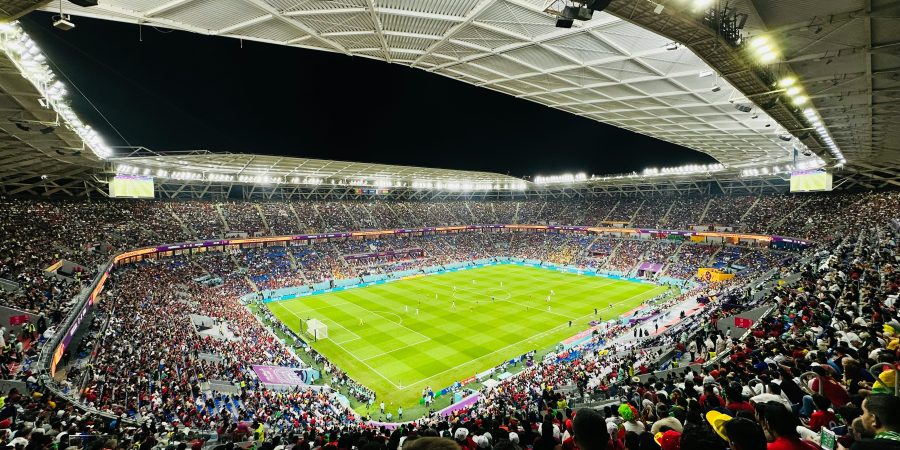
The FIFA World Cup has arrived in Vancouver, and excitement is already building. If you’ve purchased tickets, here’s what you should know about your rights as a ticket holder in BC.
It’s important to know that, generally speaking, the Ticket Sales Act doesn’t address ticket availability, which can impact ticket prices. Instead, it sets out what ticket information must be given to you and when you might be entitled to a refund.
Bought FIFA tickets? Know your rights.
In BC, businesses or people that sell or resell tickets to live events must follow the rules in the Ticket Sales Act. The goal of this law is to help ensure that you have clear information about tickets before you buy, so you understand what you’re paying for.
Important definitions:
- Primary ticket seller = a venue owner, promoter or agent of either. For example, Rogers Arena or Ticketmaster
- Secondary ticket seller = a person who engages in the business of selling tickets that were originally sold by a primary ticket seller
- Secondary ticketing platform = a website or online service that facilitates the sale of tickets by ticket sellers (other than primary ticket sellers)
What information should I see before I buy my ticket?
Before you buy a ticket, sellers must clearly provide important information, including:
- The total price of the ticket
- An itemized list of fees, service charges, and taxes
- The ticket price in Canadian dollars, unless another currency is clearly identified
- The location of the seat or standing area, where applicable
- Any restrictions on transferring the ticket to another person
- Any applicable terms and conditions
- The face value of the ticket, if purchased through a secondary seller or resale platform. Primary ticket sellers must disclose the face value of the ticket once it is issued.
The information needs to be clearly listed or displayed.
When am I entitled to a refund?
If you bought your ticket from a secondary seller or secondary ticketing platform, they must guarantee a refund in certain situations. For example, if the ticket doesn’t allow admission to the event or doesn’t match the description. Learn more about when you might be entitled to a refund.
What about cancelled or rescheduled events?
If you bought your ticket from a secondary seller or secondary ticketing platform and your event is cancelled, you are generally entitled to a full refund.
If the event is moved to a new date (rescheduled), you should be given a clear choice between
- getting a refund, or
- accepting a ticket to the new event date
What should I do if think I’m entitled to a refund?
First, make a request to the company you bought your ticket from. If they do not issue you a refund and you bought your ticket with your credit card, request a refund from your credit card provider. If that doesn’t work, you can submit a complaint to our office.
Other things to consider
- Beware of scams: Be cautious when buying tickets through online marketplaces, social media, or classified ads.
- Parking and transportation: Review parking, transit, and travel options before game day.
- Book accommodations carefully: Learn what to consider before booking short-term rentals and reserving accommodations through platforms like Airbnb.
With a little planning and knowing your rights before you buy, you can focus on enjoying the excitement of FIFA when it arrives in Vancouver.
Where to go for help
Generally speaking, we can’t assist with ticket prices or availability, but there are rules for ticket sales in BC, including what information must be provided to you and when you might be owed a refund. Learn more about your rights for ticket sales on our website.
If you believe you’ve been scammed, report your concerns to the Canadian Anti Fraud Centre and law enforcement.
Did you like this? You may like these too!
British Columbians share their best travel tips
Buying event tickets from an online classified site? Be careful!
How to spot scam texts like a pro (with examples)
About Consumer Protection BC
We are not-for-profit regulator responsible for overseeing certain industries and specific consumer transactions in British Columbia. If your concern is captured under the laws we enforce, we will use the tools at our disposal to assist you. If we can’t help you directly, we will try to offer a referral to a relevant organization, if one exists. Other times, court or legal assistance may be the best option. Explore our website at www.consumerprotectionbc.ca.
Please note information on our website is provided for educational purposes only and should not be considered legal advice. For details, read our website disclaimer.